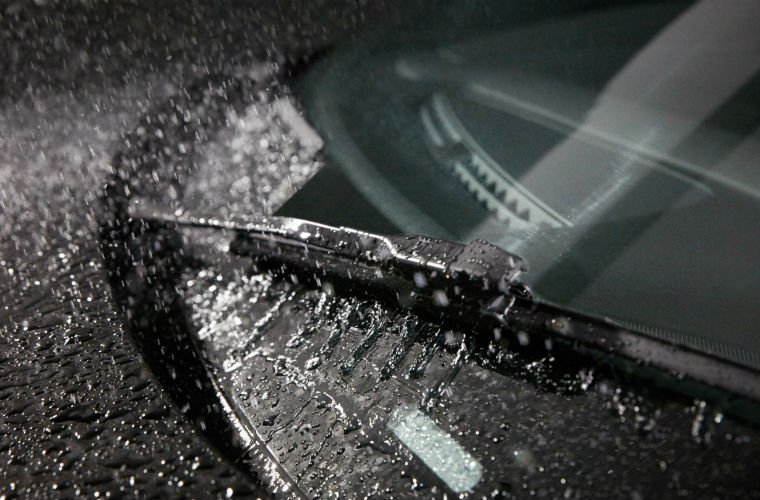
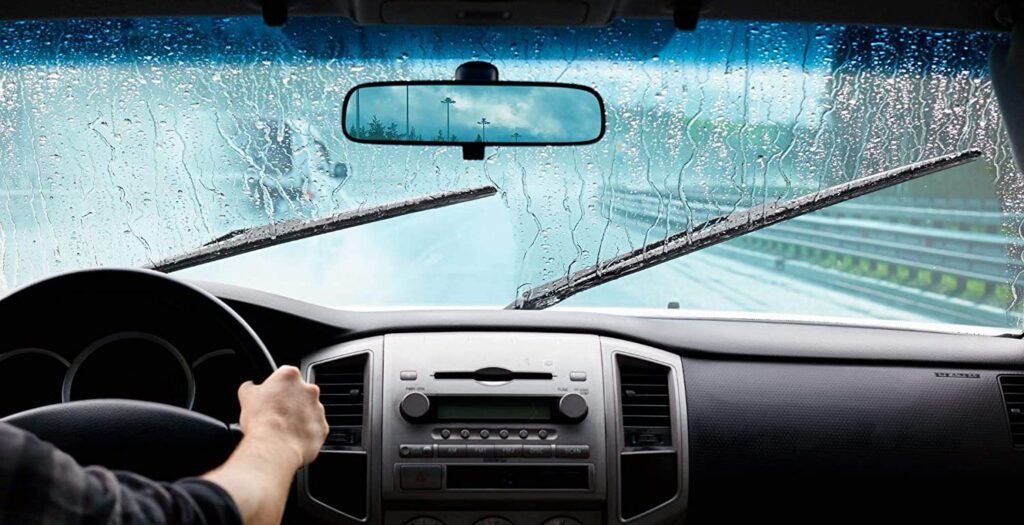
In the automotive industry, selecting the appropriate wiper blades is crucial for ensuring driver safety and maintaining clear visibility under various weather conditions. For B2B buyers, understanding the different types of wiper blades, their materials, market trends, and key considerations is essential for making informed procurement decisions.
Wiper Blade Market Overview
The global automotive wiper blades market is projected to grow from approximately $4.95 billion in 2023 to $8.79 billion by 2033, reflecting a compound annual growth rate (CAGR) of 5.9% . This growth is driven by factors such as increasing vehicle production, technological advancements in wiper systems, and a heightened focus on road safety.
Types of Wiper Blades
Understanding the various wiper blade designs is crucial for selecting the most suitable option for specific vehicle types and operating conditions.
Conventional Blades: Traditional wiper blades consist of a rubber squeegee attached to a metal frame. They are commonly found on older vehicles and are known for their affordability.
Beam Blades: Featuring a frameless design, beam blades provide uniform pressure across the windshield, enhancing wiping efficiency. Their sleek design reduces wind lift, making them suitable for high-speed driving.
Hybrid Blades: Combining elements of both conventional and beam designs, hybrid blades offer the reliability of metal frames with the aerodynamic benefits of beam blades. They are effective in various weather conditions and are often chosen for their balanced performance and cost-effectiveness.
Key Considerations for B2B Buyers
When sourcing wiper blades, B2B buyers should evaluate several critical factors to ensure optimal performance and compatibility:
Vehicle Compatibility: Ensure that the selected wiper blades are compatible with the specific vehicle models in your fleet, considering factors like size, attachment type, and windshield curvature.
Climate Adaptability: Choose wiper blades that are suitable for the predominant weather conditions in your operating regions. For instance, beam blades are advantageous in areas with heavy snowfall due to their resistance to ice buildup.
Performance Requirements: Assess the desired performance characteristics, such as durability, noise levels, and wiping efficiency, to meet the operational demands of your vehicles.
Market Trends and Innovations
Staying informed about current market trends and technological advancements can provide a competitive edge:
Advanced Features: The adoption of features like rain-sensing wipers and heated blades is increasing. Rain-sensing wipers automatically adjust wiping speed based on rainfall intensity, enhancing driver convenience and safety.
Sustainability Initiatives: Manufacturers are focusing on developing eco-friendly wiper blades made from sustainable materials and employing energy-efficient production processes, aligning with global sustainability goals.
Technological Advancements: Integration of smart technologies, such as sensors and actuators, allows wiper blades to adapt to varying weather conditions automatically, ensuring optimal visibility .
For B2B buyers, selecting the appropriate wiper blades involves a comprehensive understanding of different blade types, material quality, compatibility with vehicle specifications, and alignment with operational requirements. By staying abreast of market trends and technological innovations, businesses can make informed decisions that enhance vehicle performance and driver safety.